Quick answer: why is my water bill high with no visible leak?
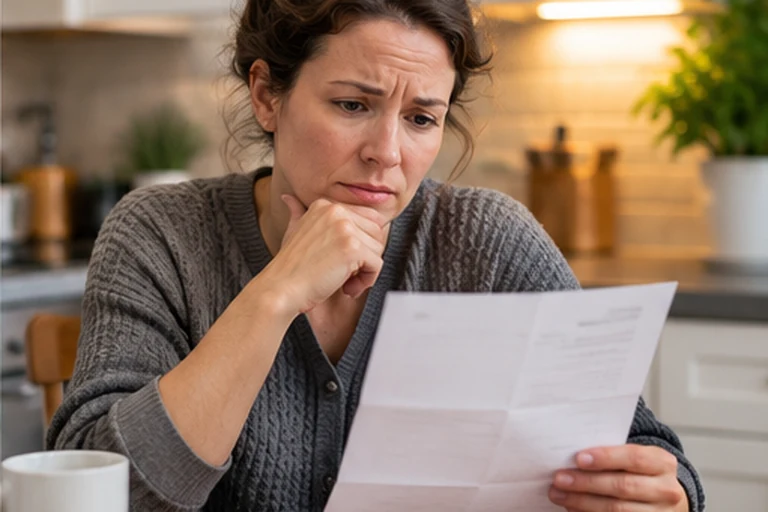
An unusually high water bill does not always mean a buried pipe has broken. Start by checking the billed water volume, number of billing days and whether the utility estimated the reading. A running toilet, irrigation schedule or hidden supply-line leak can also raise consumption without leaving a puddle. Compare meter readings before assuming repairs are needed.
Start by comparing water use, not only the amount due
Look at the volume of water billed, the number of days in the billing period and whether the reading was actual or estimated. A higher dollar amount does not always mean a pipe leak: rates, fixed charges and a longer billing period can affect the total. The Ohio Consumers’ Counsel water-bill guide explains why comparing each month’s consumption is useful.
Common water uses that leave no visible puddle
A quiet toilet flapper leak can send water straight into a drain without leaving a wet floor. Outdoor irrigation, hose faucets and automatic equipment can also increase use. Seasonal landscaping, visitors and appliance cycles may be enough to change the total. Check visible and accessible fixtures first instead of opening walls or digging in a yard.
Use your water meter to look for unexplained flow
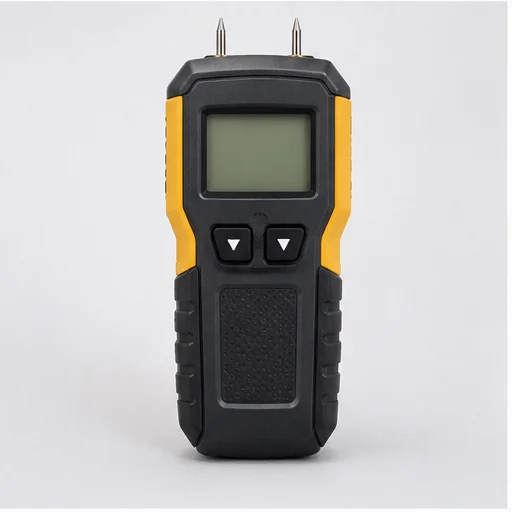
After pausing indoor fixtures and outdoor irrigation, compare the meter register over an observation interval. If the reading changes, record the amount and time without attempting a repair. Read our separate water-meter-check guide for the step-by-step process. A meter check helps establish whether water moved; it cannot alone identify which buried or indoor pipe is responsible.
What to gather for a utility or plumber conversation
- Current and previous bills, dates and units of water consumed.
- Any utility alerts, estimated-reading notices or meter photographs.
- Dates when irrigation, guests or water-using equipment changed.
- Whether you noticed pressure loss, dampness or water sounds with fixtures off.
- Prior water-line work and any recent appliance or toilet problems.
Who handles the service line and what about a bill adjustment?
Reynoldsburg’s official water-leak guidance describes homeowner responsibility from the curb box toward the home, but the correct contact and account terms still depend on your service address. See our water-line responsibility page for the distinction. Do not assume every leak qualifies for a credit or sewer adjustment. Check directly with the utility that issued your bill; rules and required repair documentation differ between providers.
When does a high water bill suggest an underground water line leak?
An underground service-line leak becomes one possibility when water use stays elevated after fixtures and irrigation are checked, the meter records unexplained flow, or you notice pressure loss or persistently wet soil. Neither the bill nor a meter check can identify the exact pipe. A professional assessment can distinguish an indoor fixture, irrigation problem and private service-line leak.
Questions homeowners ask
Can a high water bill mean a buried supply-line leak?
Yes, it can be one clue, but a high bill alone is not proof. Compare the meter readings, normal use, seasonal irrigation and indoor fixtures first.
Why is the amount due higher if usage did not increase?
The billing period, rates, fixed fees, sewer charges or an estimated reading may explain the difference. Ask your billing utility to review the statement.
Can a toilet leak increase my bill without water on the floor?
Yes. Water can escape from the tank into the bowl and down the drain without an obvious puddle.
Should I dig where the yard looks wet?
No. Yard moisture can have several causes. Have the source assessed and underground utilities located before any excavation.
Can the water utility adjust my bill after a repair?
Some utilities consider adjustments under specific terms, but eligibility is not guaranteed. Ask the utility on your bill about its policy and documentation requirements.
What should I tell a plumber before they visit?
Provide the change in billed usage, meter observations, location of any moisture, pressure changes, and which fixtures or irrigation systems have been checked.
Sources and further reading
Updated November 13, 2026. Observations are not a diagnosis; confirm repairs and pricing with the independent provider.
Back to all homeowner guides →